
Hair medicine
Stop hair loss in time
Alopecia has medical treatment, and the earlier it is addressed, the better it responds. During your assessment we identify the type of hair loss and its cause, and design a plan that combines medication, biostimulation and nutrition to stop the loss, thicken existing hair and protect the follicle.
In many cases, timely medical treatment makes it possible to postpone or avoid surgery. And when a transplant is the best option, medical management before and after protects the result.
What type of hair loss do you have?
Each type of alopecia has a different cause and, therefore, a different treatment.
Androgenetic alopecia
The most common in men and women: hormonal and genetic in origin, progressive, with follicle miniaturization. It responds to medication, PRP and biostimulation.
Telogen effluvium
Diffuse, sudden shedding after stress, illness, hormonal changes or nutritional deficiency. It usually reverses once the cause is corrected and the follicle is supported.
Alopecia areata and others
Patchy hair loss of autoimmune origin, scarring or traction alopecia. They require a precise medical diagnosis and specific management.
Treatments for alopecia
Medical treatments to slow hair loss, strengthen the hair and stimulate the follicle.
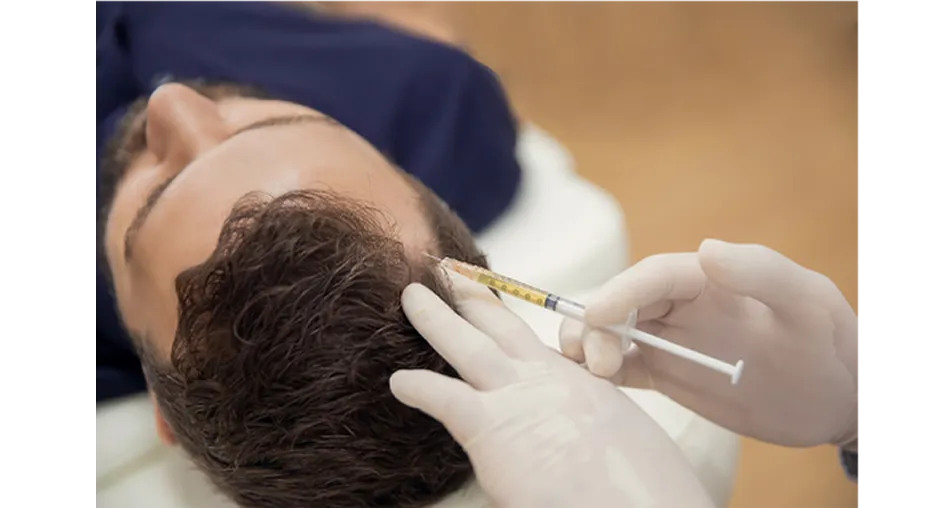
Platelet-Rich Plasma (PRP)
Growth factors to stimulate the follicle.
View details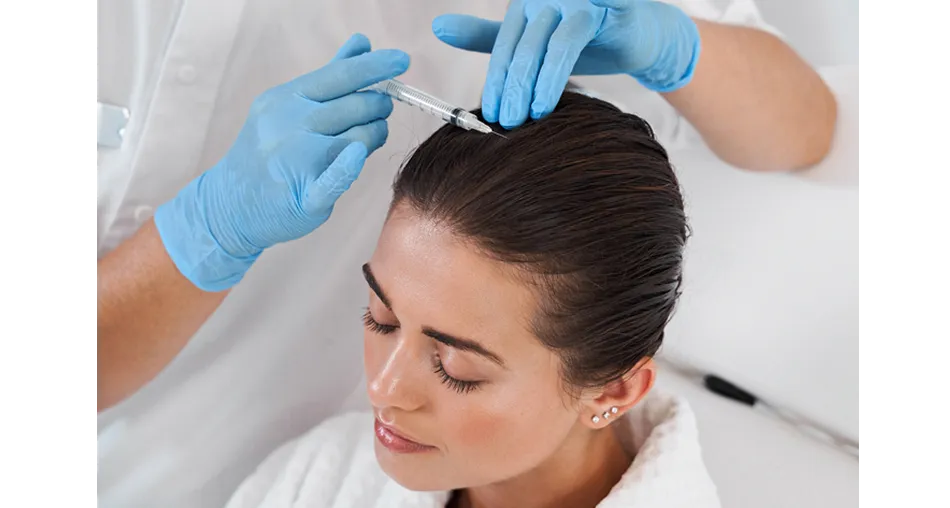
Pharmacological Treatment
Targeted medication to stop hair loss.
View details
Proteins, Vitamins & Minerals
Nutritional support for the hair.
View details
DNA Precursors
Support for cellular regeneration.
View details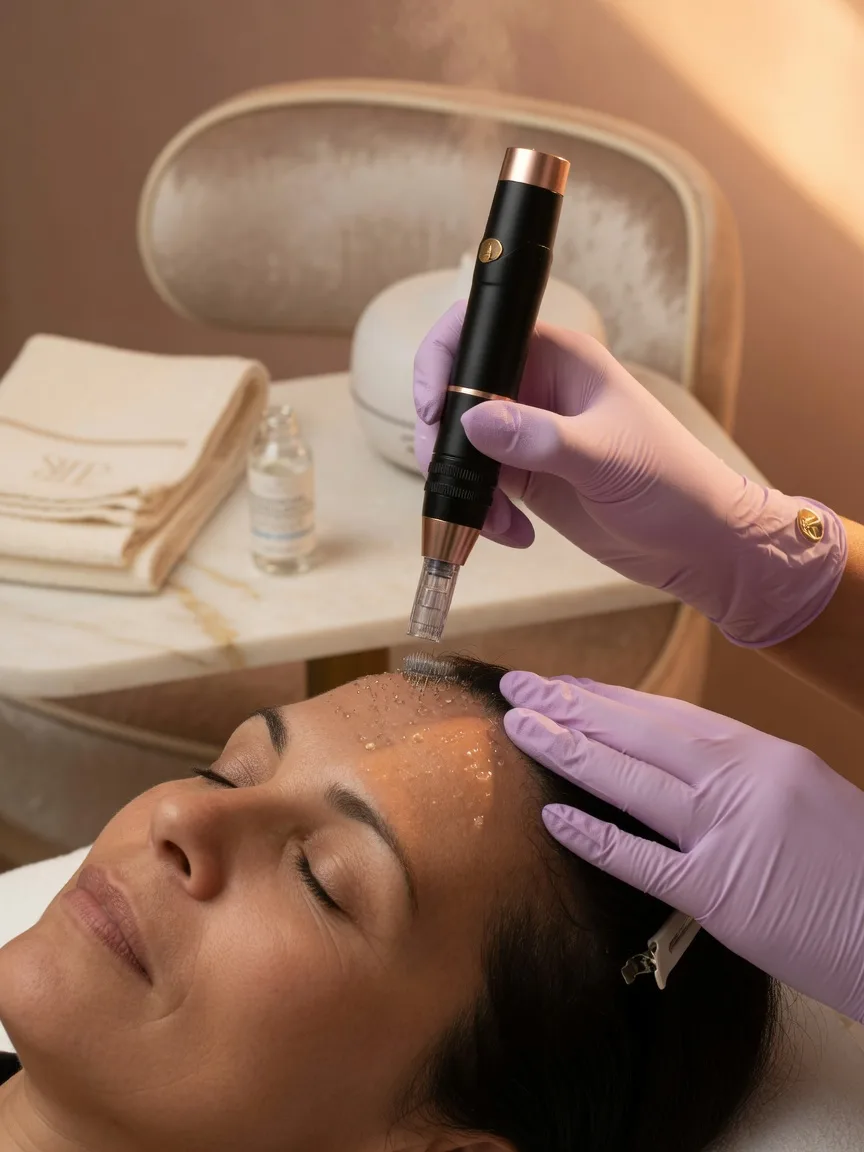
Scalp Microneedling
Skin stimulation to activate the follicle.
View details
We answer your questions