What abdominoplasty is and what it corrects
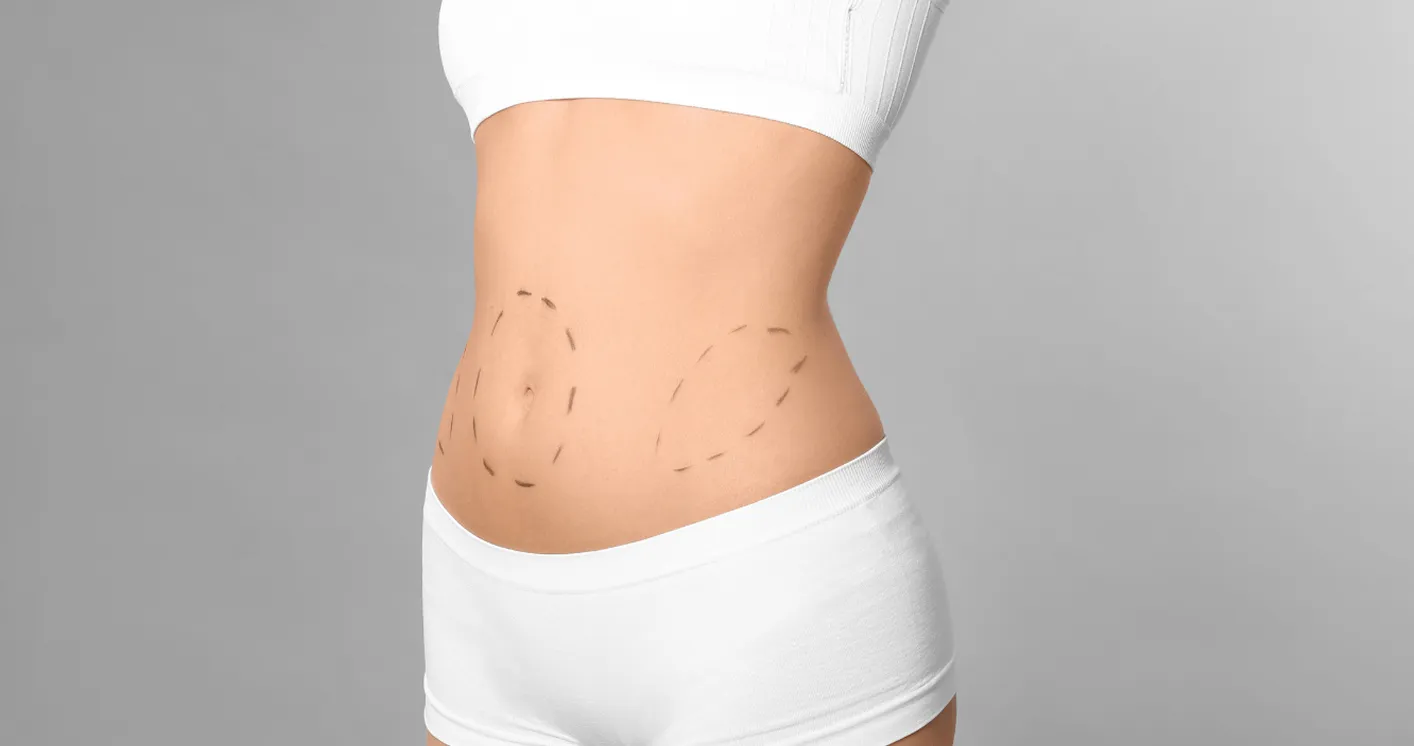
Abdominoplasty is a surgery that reshapes the abdomen by working on three levels: skin, fat and muscle. Unlike other procedures that only remove fat, it also works on the abdominal wall.
In general, it allows you to:
- Remove excess skin that hangs or folds, especially below the navel.
- Eliminate some of the fatty tissue in the area.
- Repair diastasis recti, that is, the separation of the central abdominal muscles.
- Improve the tension of the abdominal wall and, with it, the contour of the abdomen.
- Lessen some stretch marks located on the skin that is removed, although not all of them disappear.
It is not a weight-loss method or a treatment for obesity. It also does not correct stretch marks on the upper abdomen or replace healthy habits. When fat is the main problem and the skin is of good quality, liposuction is sometimes more appropriate. The medical evaluation determines which technique fits your anatomy.
Who it is for and who it is not for
Abdominoplasty is usually considered in adults with excess abdominal skin, diastasis recti or body changes after pregnancies or weight loss. What matters is that your weight is stable and your expectations are realistic.
It may be an option if:
- You have excess abdominal skin or laxity that does not improve with exercise.
- You notice central bulging due to separation of the rectus muscles.
- Your weight has remained stable for a reasonable period.
- You are in good general health and do not smoke, or you agree to stop smoking.
It is advisable to wait or look for another alternative if:
- You plan to become pregnant soon, because it could alter the result.
- You still plan to lose a significant amount of weight.
- You have uncontrolled illnesses or clotting problems.
- You are looking for a way to lose weight, not a change in contour.
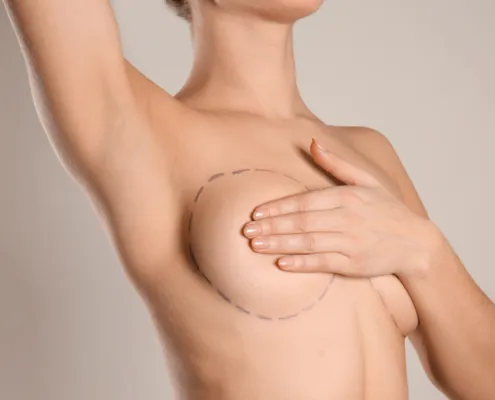
In some cases, combining the surgery with other procedures, such as a breast surgery (mammoplasty), is evaluated, as long as safety allows. The decision is made in consultation, not in advance.
What the surgery is like with Dr. Sandro Florez
Evaluation
In the consultation, Dr. Sandro Florez examines your abdomen, reviews your history, medications and previous surgeries, and explains which technique fits your case. He also informs you about the location of the scar, the risks and the alternatives.
Surgery
It is performed in an accredited surgical center, under anesthesia. Generally, a low incision is made, designed to stay hidden under underwear, along with another around the navel. The separated muscles are repaired, excess skin and fat are removed, and the navel is repositioned. Temporary drains are often left in place. The duration varies depending on the case, and it generally takes several hours.
Afterward
When it is over, a compression garment is placed and you are monitored in recovery. Often discharge is the same day or the next day, depending on the medical evaluation. You receive written instructions on care, medications, warning signs and follow-up dates.
Tests, preparation and anesthesia
Before surgery, tests are requested to assess your health status. In general, they include blood work and, depending on your age and history, other studies such as an electrocardiogram. A pre-anesthetic evaluation is also performed.
Preparation usually includes:
- Reporting all the medications and supplements you use; some, such as anticoagulants or certain anti-inflammatories, must be stopped under medical direction.
- Quitting smoking well in advance, because tobacco affects skin healing.
- Maintaining a stable weight and a balanced diet.
- Arranging help at home during the first days and planning your rest.
- Following the fasting instructions on the day of surgery.
Anesthesia is usually general, administered and monitored by an anesthesiologist, although the choice depends on your case. This stage also serves to clear up doubts and sign the informed consent, a document that details benefits, risks and care.
Recovery and postoperative care
Recovery is gradual and varies from person to person. It is normal to feel discomfort, tightness, swelling and bruising in the abdomen during the first weeks. Pain is managed with medications prescribed by the doctor.
In general:
- In the first days you walk a little, with the torso slightly bent, to promote circulation.
- A compression garment is worn for several weeks, as directed.
- Drains, if left in place, are removed at follow-up visits.
- Many people return to light office activities after two or three weeks, although it depends on each case.
- Intense exercise and lifting heavy objects are usually postponed for several weeks, until the doctor authorizes them.
As with any surgery, there are risks: fluid accumulation, infection, healing problems, changes in sensation or thrombosis, among others. Attending follow-up visits and seeking care immediately for fever, severe pain, redness or difficulty breathing helps you act in time.
Results: what to expect and when
From the first weeks the abdomen looks flatter, but swelling hides the real result. Typically the contour settles over several months, and the scar takes a year or more to mature and fade.
Keep in mind:
- The scar is permanent; its quality depends on genetics, care and each person's healing.
- The result can last over time if you maintain a stable weight and healthy habits.
- A later pregnancy, or large weight changes, can alter the contour.
- No result is identical between patients, and a specific appearance cannot be guaranteed.
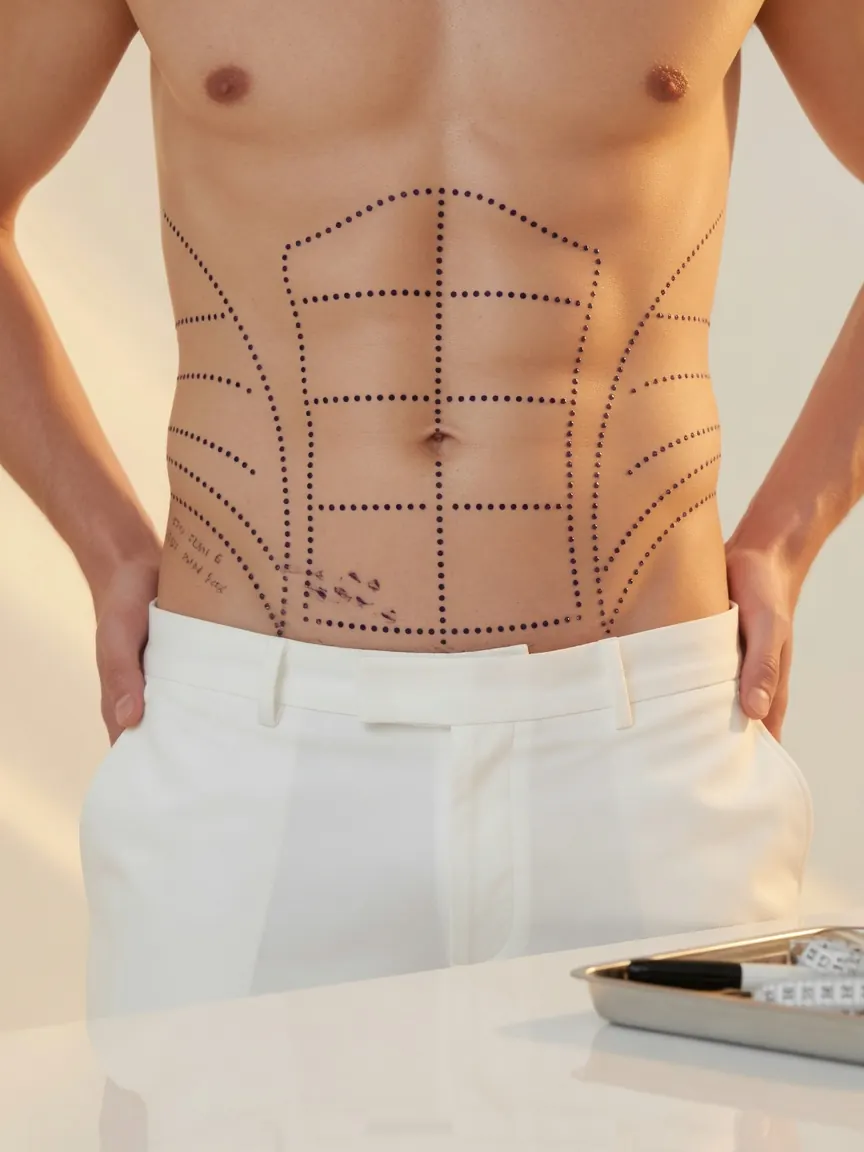
If you want to define the area further after surgery, you can ask in consultation about options such as abdominal etching, always once you have healed and with medical approval.
Why have surgery with a physician and surgeon in Bogotá
A surgery of this type requires medical training, clinical judgment and close follow-up. Choosing a physician and surgeon means that the indication, the technique and the management of possible complications are in the hands of a professional prepared for it.
When deciding where to have surgery in Bogotá, you can verify aspects such as:
- That the person operating on you is a physician and surgeon, and explains their training and experience.
- That the surgery is performed in an accredited clinic, with an anesthesiologist and support team.
- That you receive clear information about risks, alternatives and scars, without promises of results.
- That there are postoperative check-ups and a channel to resolve questions.
If you live outside the city, review the information for patients from other cities to plan travel and follow-ups. You can also learn more about the team on about us.
How much does an abdominoplasty cost in Bogotá
It is not possible to give a single figure without knowing your case, because the cost of an abdominoplasty depends on several factors and each patient is different. For that reason, the quote is provided after the medical evaluation.
Among the aspects that influence it are:
- The complexity of the surgery: amount of skin, fat and muscle repair needed.
- Whether it is combined with other procedures, such as liposuction.
- The fees of the medical team and the anesthesiologist.
- The clinic or surgical center and the length of stay.
- Preoperative tests, compression garment, medications and follow-up visits.
When requesting a quote, it is advisable to ask exactly what it includes and what it does not, so you can compare clearly. You can schedule your evaluation and there you will receive a detailed explanation with no obligation.