What PRP is and how it works
Platelet-rich plasma is a platelet concentrate obtained from your own blood. That concentrate is rich in growth factors, molecules involved in the natural repair processes of tissue.
Applied to the face, PRP aims to stimulate cell regeneration, improve texture and restore vitality to skin that looks dull or tired. It is a 100% autologous treatment: the material used comes from the patient, with no added filler substances.
Because of this approach, PRP belongs to the same family of procedures as other options in regenerative aesthetic medicine, which work with the body's own biological resources rather than adding external material.
Who PRP facial is for, and who it is not for
PRP facial is usually considered for patients looking for natural regeneration, without changing features or adding volume, who want to work on skin texture and luminosity.
- Skin with uneven texture or a dull appearance.
- Patients who prefer an autologous approach using their own material.
- Those who want to add a regenerative component to a broader facial plan.
It is not indicated for everyone. Before scheduling it, the physician reviews your medical history, current medications and the condition of your skin at the time of the assessment; if anything makes the procedure inadvisable, he will say so and suggest alternatives among the available treatments. It also does not replace surgery when the goal is a structural change to the face.
What the procedure is like at Dr. Sandro Florez's practice
1. Assessment
The appointment in Bogotá begins with an evaluation of your skin, your medical history and your goals. That is where it is decided whether PRP is indicated and which areas make sense to treat.
2. Obtaining the plasma
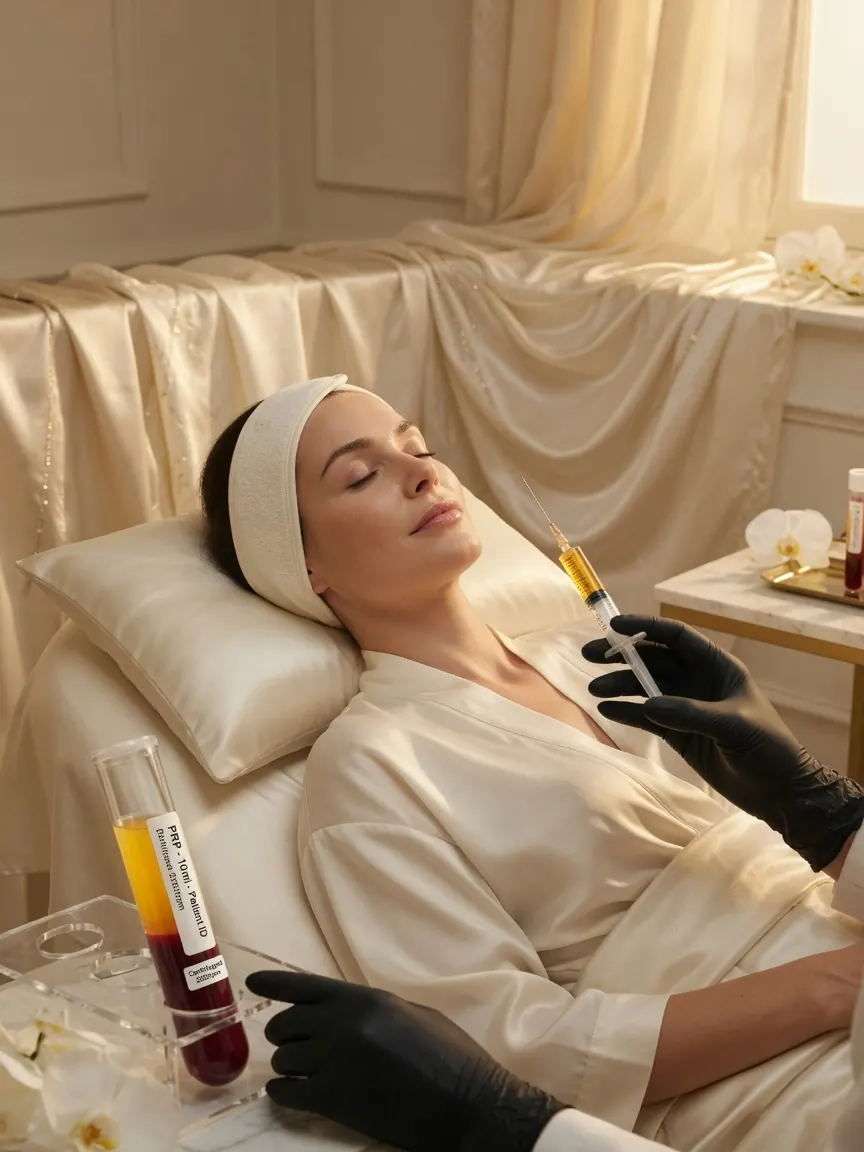
A sample of your own blood is taken and processed to separate the platelet concentrate, rich in growth factors.
3. Application
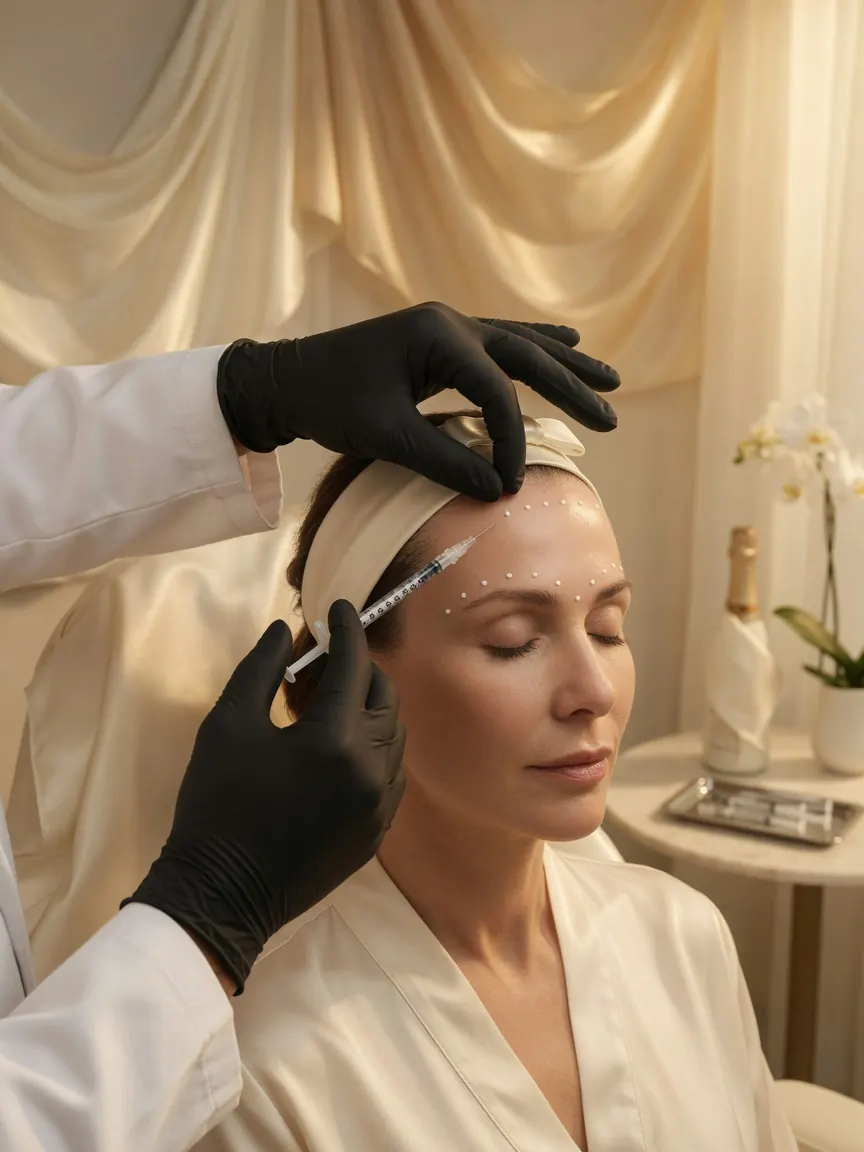
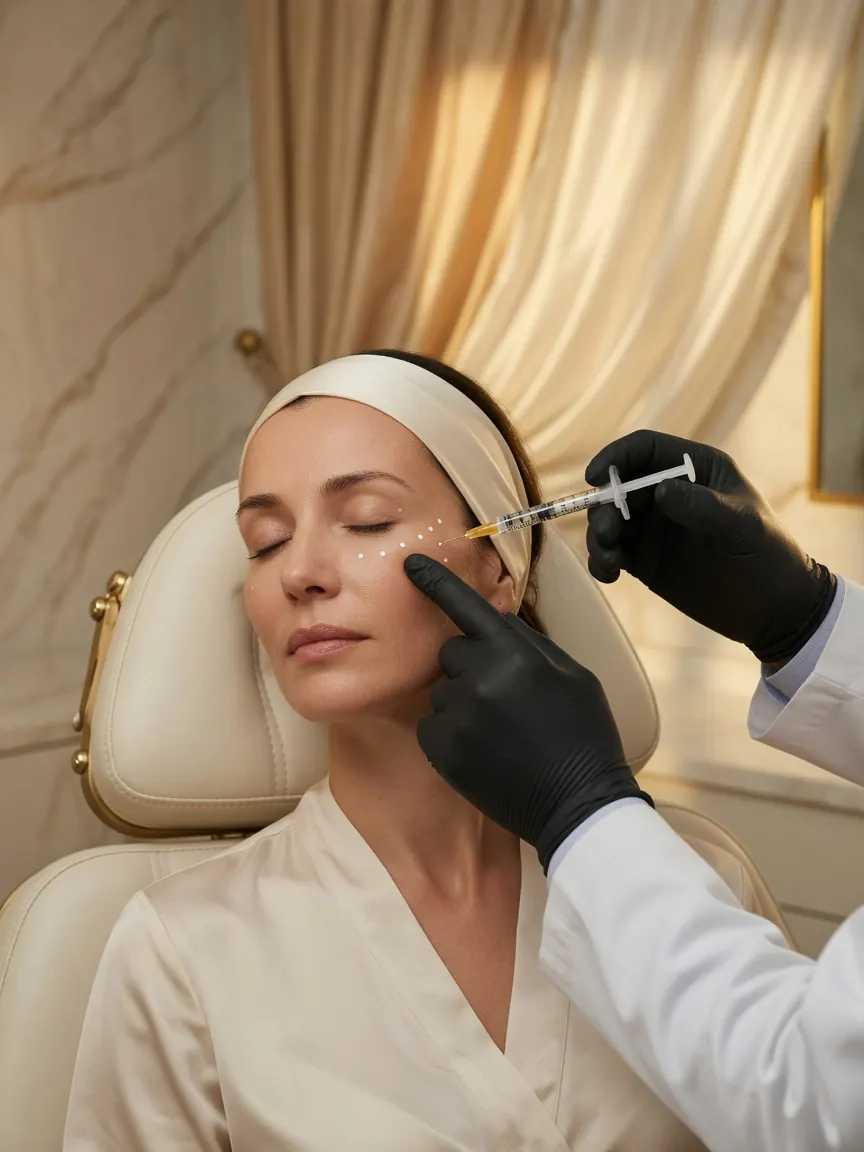
The plasma is applied to the previously defined areas, using the technique the physician considers appropriate for your case.
Session length, the number of applications and the intervals between them are not the same for everyone: Dr. Sandro Florez defines them during the assessment, based on your skin and the agreed plan.
Results: what to expect and when
PRP does not produce an immediate change and does not guarantee a specific result. It is a regenerative treatment and, in well-selected patients, improvement is usually perceived gradually, mainly in texture, luminosity and the overall sense of skin vitality.
It is also worth being clear about what it does not do: PRP does not add volume, does not replace a lifting or supporting treatment and does not modify features. Its field is skin quality.
The response can vary with age, skin condition, habits and the number of sessions performed. That is why the physician schedules follow-up visits to assess progress and adjust the plan if needed, rather than promising a fixed outcome.
Aftercare and recovery following the session
PRP facial is an in-office procedure. As with most facial treatments, patients usually return to their routine the same day, and there may be redness or mild swelling during the first 24 to 72 hours, depending on the technique used and the sensitivity of each skin type.
- Follow the specific instructions given at the appointment.
- Keep cleansing gentle and sun protection consistent.
- Get in touch if any discomfort persists or concerns you.
The physician also indicates when you can resume other facial treatments and when a new session makes sense, if the plan includes one.
Why have PRP facial done by a physician in Bogotá
PRP is not a standard product applied the same way to every face: it starts from the patient's own blood and calls for clinical judgment at every stage, from the indication to the application technique.
- Medical judgment: deciding whether PRP is what your skin needs, or whether another route is better.
- Safety: handling of the sample and aseptic conditions within a clinical setting.
- Personalization: areas, schedule and combinations defined case by case.
Dr. Sandro Florez sees patients at Calle 126 # 7-26, Torre 126 PH-1303, in Bogotá, where every plan starts with an in-person assessment rather than a fixed package.
Combining PRP with other facial treatments
PRP is rarely considered in isolation. Within a facial aesthetic medicine plan it can coexist with procedures that address other goals: volume, support, expression or skin quality. What to combine, in what order and at what intervals is a medical decision made during the assessment.
If the regenerative approach interests you, the blog covers other options along the same lines, such as polynucleotides. And if your goal is a broader plan for prevention and long-term care, you can explore the anti-aging area.