What blepharoplasty is and what it corrects
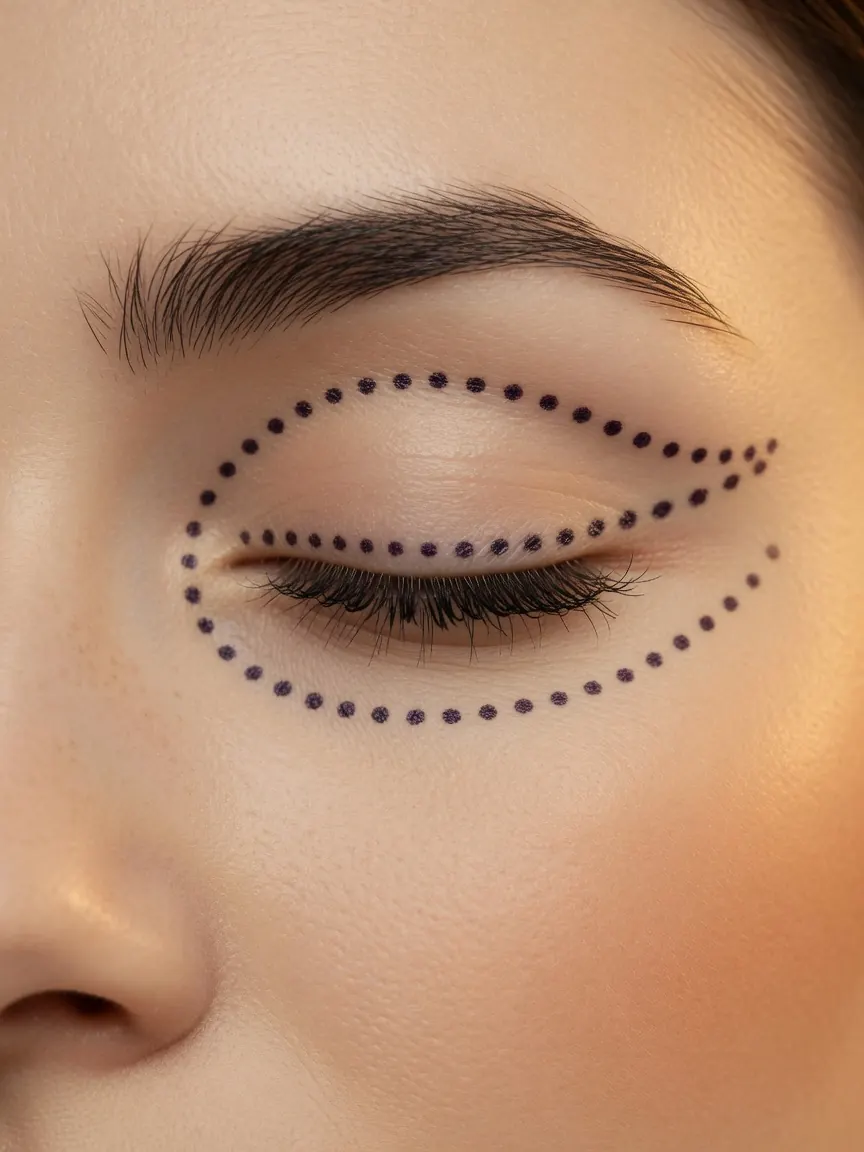
Blepharoplasty is a surgical procedure that acts on the upper and lower eyelids. In the upper eyelids, excess skin that may fall over the lash line and, in some cases, limit the visual field is removed. In the lower eyelids, fat bags that create shadow and a fatigued appearance are corrected.
- Excess skin on the upper eyelid.
- Fat bags under the eyes.
- Tired or aged appearance of the gaze.
- Mild asymmetries in the periocular area.
It is not about changing the shape of the eye or stretching the skin excessively. The goal is for the gaze to look fresh and for the face to retain its identity.
Who it is indicated for and who it is not
Blepharoplasty is usually indicated for people who show evident signs of aging in the eyelid area, such as loose skin or fat bags. It can also be useful in younger patients with a genetic predisposition to eyelid bags.
- People with drooping eyelids that affect expression or vision.
- Patients with bags under the eyes that do not improve with rest or topical treatments.
- Men and women with realistic expectations about the result.
It is not indicated for those with active eye diseases, uncontrolled healing disorders, or medical conditions that increase surgical risk. The evaluation with Dr. Sandro Florez helps identify if there is any contraindication.
How the surgery is performed with Dr. Sandro Florez
Evaluation
Before surgery, a consultation is held in Bogotá to examine the eyelids, evaluate skin quality, and review medical history. Expectations are discussed and the surgical plan is explained honestly.
Surgery
Blepharoplasty is performed in an appropriate surgical setting. Incisions are placed in the natural folds of the upper eyelid or just below the lashes in the lower eyelid, which helps conceal scars. The procedure usually lasts between one and two hours, depending on whether both eyelids are treated.
Afterward
At the end, cold compresses are applied and instructions are given for the first days. The patient returns home with clear recommendations and scheduled follow-up with Dr. Sandro Florez.
Tests, preparation, and anesthesia
Before blepharoplasty, laboratory tests are requested and, in some cases, evaluation by other specialties. This helps confirm that the patient is in adequate condition for surgery.
- Avoid medications that increase bleeding, such as aspirin or anti-inflammatories, as medically indicated.
- Do not smoke during the weeks before and after, as tobacco affects healing.
- Preoperative fasting if sedation or general anesthesia is used.
Blepharoplasty can be performed with local anesthesia and sedation, or with general anesthesia, depending on the case. The choice depends on the extent of the procedure and the patient's conditions. Dr. Sandro Florez makes this decision during the evaluation in Bogotá.
Recovery and postoperative period
Recovery from blepharoplasty is usually progressive. During the first days, it is common to have swelling, bruising, and a sensation of tightness in the eyelids. Most patients resume discreet social activities after one or two weeks, although the final appearance may take longer to stabilize.
- Use cold compresses during the first 48 hours.
- Sleep with the head elevated to reduce swelling.
- Avoid intense physical effort for at least two or three weeks.
- Do not rub the eyes or use contact lenses until the doctor authorizes it.
Follow-up in Bogotá helps verify progress and detect any sign that requires attention. Recommendations are adjusted to each patient and their recovery speed.
Results: what to expect and when
Blepharoplasty results appear gradually. Once stitches are removed and swelling decreases, the gaze begins to look more rested. However, complete healing can take several months.
- First weeks: progressive decrease in bruising and swelling.
- First month: more natural appearance of the eyelids.
- Three to six months: softer scars and a more stable result.
Blepharoplasty does not stop the natural aging of the skin. Over the years, tissues will continue to change, but the improvement in the periocular area usually lasts for a long time. Some patients complement the result with treatments such as Botox in Bogotá or hyaluronic acid in Bogotá.
Why have surgery with a medical surgeon in Bogotá
Blepharoplasty is a delicate surgery that involves very fine structures close to the eye. Having a medical surgeon with training and experience reduces the likelihood of complications and allows proper management if they occur.
In Bogotá, Dr. Sandro Florez performs this procedure under safety protocols and with close follow-up. Additionally, by having surgery in the city, you have access to in-person check-ups without depending on long trips. If you are coming from another city, you can consult the information for out-of-town patients.
How much does blepharoplasty cost in Bogotá
The cost of blepharoplasty in Bogotá varies according to several factors: whether the upper eyelids, lower eyelids, or both are treated, the complexity of the case, the surgical team fees, and the type of anesthesia. Preoperative tests and the location where the procedure is performed also play a role.
For this reason, it is not responsible to give a single price without first conducting an evaluation. During the consultation with Dr. Sandro Florez, a clear and detailed plan is provided, tailored to each patient's needs. If you want to learn more about the procedure, visit plastic surgery or schedule your appointment in Bogotá.